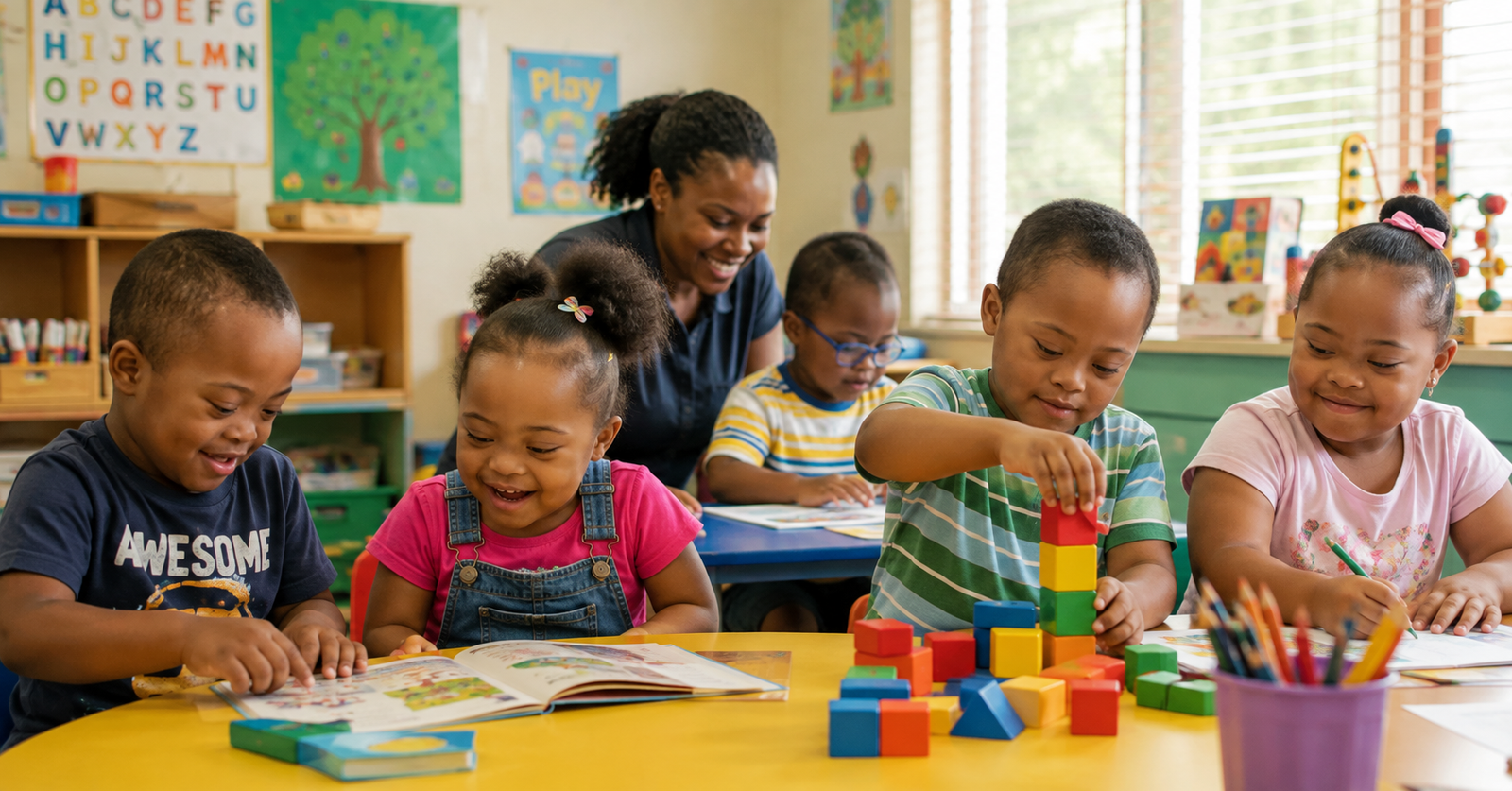
Down syndrome is one of the most talked-about — and most misunderstood — conditions in our communities. Many people have heard the term, but very few truly understand what it means. This gap in understanding often leads to painful myths, unfair judgment, and children being kept away from the very opportunities that could help them thrive. It’s time we set the record straight.
What Down Syndrome Actually Is
Down syndrome is a genetic condition. In simple terms, it happens when a baby is born with an extra copy of a particular chromosome — a tiny piece of biological material found in every cell of the body. This extra chromosome affects how a child develops physically and mentally, but it does not determine who that child will become.
Children with Down syndrome often share some common physical features, such as a rounder face or slightly different eye shape, and they may take longer to reach certain developmental milestones like sitting, walking, or talking. But beyond these characteristics, every child with Down syndrome has their own personality, likes, dislikes, talents, and potential — just like any other child.
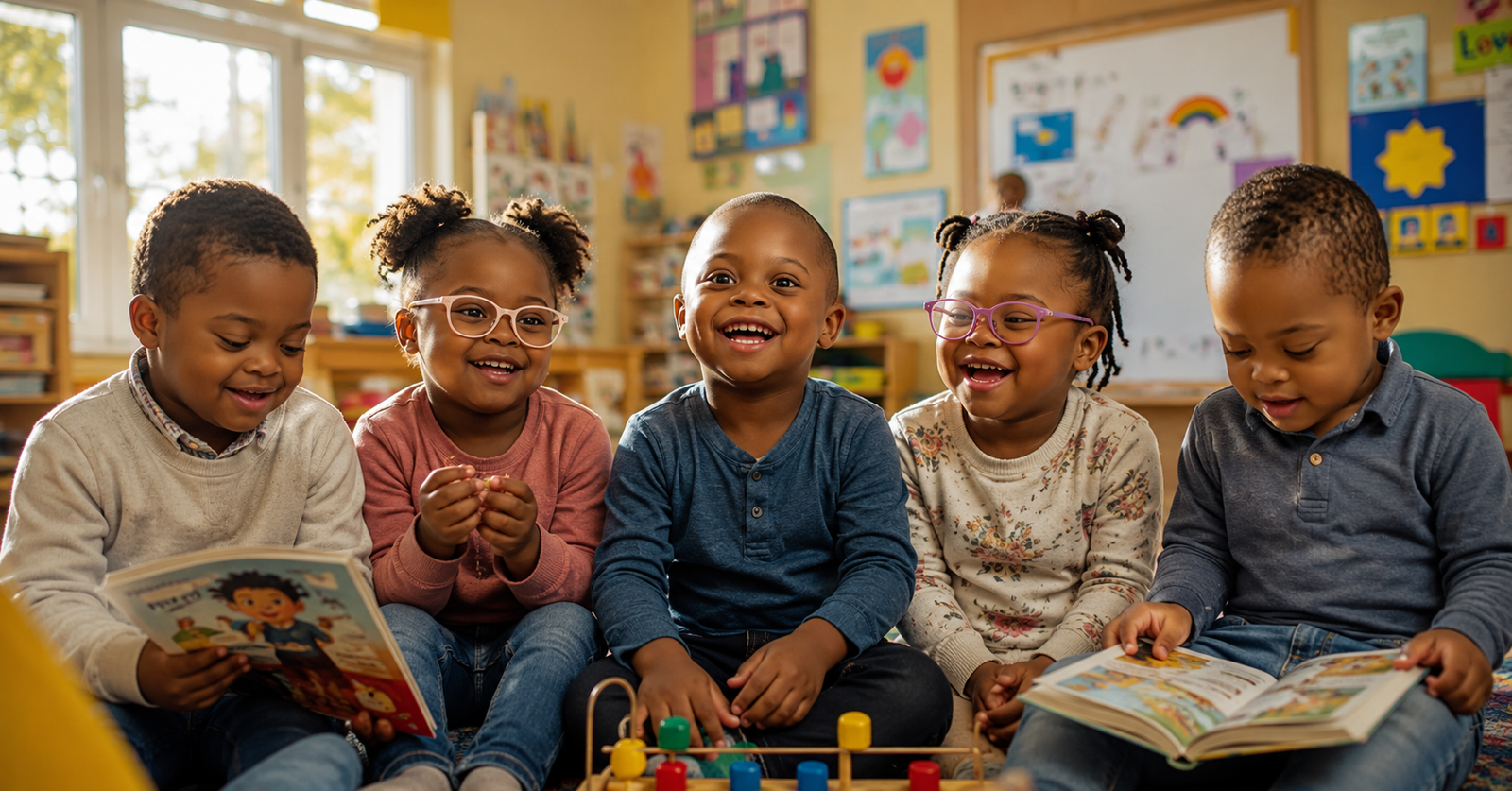
Myths We Need to Let Go Of
Sadly, several harmful myths about Down syndrome are still common in our communities, and they cause real harm to children and their families:
- “It’s a punishment or a curse.” Down syndrome is a genetic condition that can happen to any family, in any community, regardless of belief, behaviour, or background.
- “The child cannot learn anything.” This is simply false. With patient teaching and the right support, children with Down syndrome can learn to read, write, count, communicate, and develop many practical life skills.
- “The child will always need to be taken care of like a baby.” While some children with Down syndrome need more support than others, many grow up to become increasingly independent, capable of contributing meaningfully to their families and communities.
- “It’s contagious or something to fear.” Down syndrome cannot be “caught” from another person. There is nothing to fear in interacting with, playing with, or befriending a child with Down syndrome.
What Children With Down Syndrome Can Actually Achieve
Around the world — and right here in Cameroon — children and adults with Down syndrome learn to read, make friends, sing, dance, play sports, and even hold jobs as they grow older. Progress may take a little more time and patience than with other children, but “slower” does not mean “impossible.” Many families are surprised by just how much their child can achieve once given the chance, the right support, and a community that believes in them.
How We Can Do Better as a Community
Breaking these myths starts with simple, everyday choices:
- Speak up gently when you hear someone repeating a harmful myth about Down syndrome
- Greet and include children with Down syndrome the same way you would any other child
- Avoid pity or excessive sympathy — children with Down syndrome want to be seen for who they are, not for what people assume they cannot do
- Support families by offering encouragement rather than unsolicited advice or judgment
A Message to Parents
If your child has Down syndrome, please know this: your child’s life has value, purpose, and enormous potential. The myths our communities sometimes believe say nothing true about your child — they only reflect a lack of understanding that we, together, can change.
At our special needs center, we walk alongside families raising children with Down syndrome, helping each child build skills, confidence, and independence at their own pace. You are not alone on this journey, and neither is your child.